6 States for Solo Women to Retire in 2026
6 Best States for Single Women to Retire in 2026
Retirement relocation in America is undergoing a massive demographic shift. In 2025 alone, more than 420,000 Americans crossed state lines to retire. Because women make up the clear majority of the senior population, and the majority of older adults navigate their later years unpartnered, an estimated 200,000 single women packed up and moved to a brand-new state last year.
Yet almost every retirement ranking on the internet treats relocation as a two-person project. Traditional guides assume two Social Security checks coming into the mailbox, two investment portfolios to pull from, and a built-in partner at home to share household chores or drive you home from an outpatient procedure.
When you retire on a single income, your margin for error changes dramatically. You are the sole financial decision-maker, the sole budget manager, and the sole architect of your day-to-day life. A sudden spike in local property taxes, an unexpected surge in annual homeowner insurance premiums, or an isolated suburban neighborhood without walkable infrastructure hits a single income twice as hard.
Evaluating a retirement destination as a solo woman requires looking past promotional imagery and analyzing four critical pillars:
Tax policy on fixed distributions and Social Security benefits
Healthcare density, specialist proximity, and hospital quality
Neighborhood safety and everyday walkability
Built-in community infrastructure for forging authentic friendships
Here is the strategic countdown of the six best states for single women to retire in 2026, ranked from reliable options to the top overall destination.
6. Virginia: Healthcare Reliability and Seasoned Mountain Living
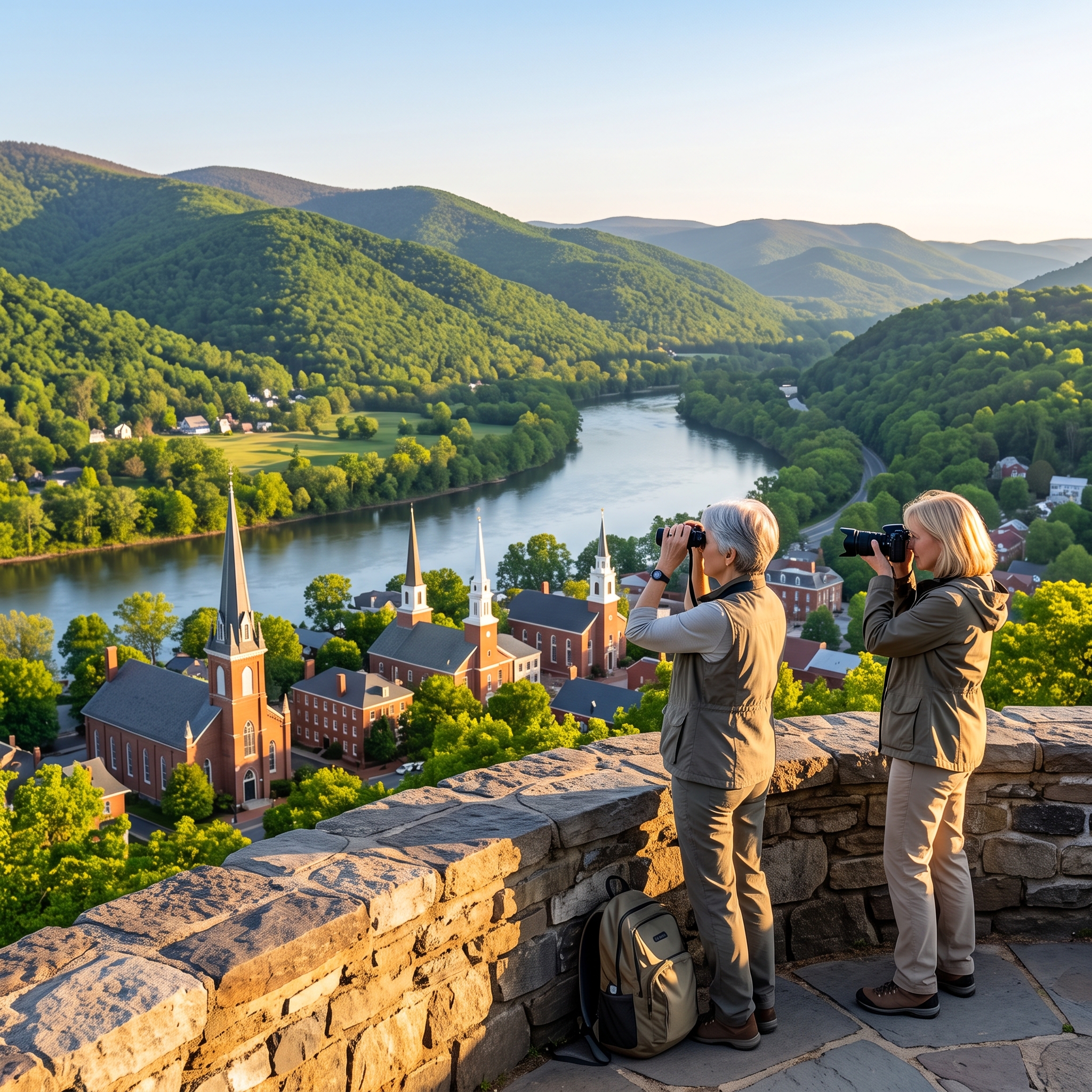
Virginia claims the number six spot by offering foundational reliability. It is not an endless beach town, but not every retirement needs to look like a tropical screensaver. For solo women seeking four genuine seasons, vibrant historic downtowns, and exceptional medical infrastructure, Virginia delivers stability without the seasonal chaos common in tourist-heavy states.
Healthcare Proximity and Solo Independence
When you live alone, healthcare access is your primary safety net. When you are part of a couple, you have a built-in partner to handle errands or provide transportation. When you are on your own, having top-tier clinical care close to home is non-negotiable.
Virginia consistently ranks among the top states nationally for regional hospital systems. Healthcare networks like Sentara, Inova, and UVA Health extend far beyond major metropolitan centers into mid-size valleys and foothill communities. You get high-level specialist access within a 20-to-30-minute drive without having to navigate crowded seasonal influxes of part-time residents.
Financial and Tax Profile
Social Security Exemption: Social Security benefits are 100% exempt from Virginia state income tax.
Senior Income Deductions: Taxpayers aged 65 and older can qualify for an income tax deduction of up to $12,000, depending on overall adjusted gross income.
Manageable Property Taxes: Virginia's average effective property tax rate sits around 0.75% to 0.82%, keeping ongoing housing carrying costs predictable.
County Relief Programs: Most Virginia counties offer localized real estate tax relief for qualifying low-to-moderate-income seniors.
Standout Communities for Solo Living
Staunton (Augusta County): Located in the heart of the Shenandoah Valley, Staunton offers a remarkably walkable historic core, the American Shakespeare Center, Victorian architecture, and very low violent crime rates.
Harrisonburg (Rockingham County): Home to James Madison University, providing lifelong learning programs, a thriving culinary district, and integrated regional care via Sentara RMH Medical Center.
Charlottesville (Albemarle County): While real estate carries a higher price tag, Charlottesville provides rich cultural institutions, historic assets, and direct proximity to the world-renowned UVA Medical Center.
Virginia is the reliable friend who always shows up when promised. For a solo retiree building a fresh foundation, reliability is an invaluable asset.
5. Tennessee: Maximum Income Preservation and Genuine Cultural Warmth
Tennessee earns the number five ranking on the strength of its zero-income-tax environment and deep community hospitality. For a woman managing a single income stream in retirement, eliminating state tax withholdings can preserve thousands of dollars in baseline cash flow every year.
The Financial Advantage of Zero State Income Tax
Tennessee levies zero state income tax on earned wages, pensions, 401(k) distributions, traditional IRA withdrawals, and Social Security benefits.
Consider the direct math: on an annual retirement distribution of $50,000, avoiding a 5% state income tax keeps $2,500 in your pocket every twelve months. For a solo woman, that money directly covers annual car insurance, utility expenses, or a dedicated travel budget.
Organic Community Integration
Tennessee delivers genuine warmth. Neighbors introduce themselves, civic clubs are active, and newcomers integrate quickly through volunteer networks, local artisan guilds, and neighborhood associations. When you are relocating alone without an existing social network, this cultural openness prevents isolation and helps you establish friendships within your first few months.
Standout Communities for Solo Living
Chattanooga (Hamilton County): A scenic riverfront city featuring municipal high-speed fiber internet, a walkable downtown, the Tennessee Aquarium, and medical facilities anchored by the Erlanger Health System. The overall cost of living sits comfortably below national benchmarks.
Franklin (Williamson County): Located just south of Nashville, Franklin offers historic preservation, upscale dining, low crime rates, and deep civic pride. Housing prices are climbing rapidly, making early acquisition essential.
Maryville (Blount County): Positioned near the foothills of the Great Smoky Mountains, Maryville provides quiet living, lower property taxes, and quick access to the University of Tennessee Medical Center in nearby Knoxville.
4. South Carolina: Low Primary Property Taxes and Coastal Charm
South Carolina takes the number four position. The state combines significant legal residence property tax discounts, complete exemption of Social Security benefits from state taxation, and diverse lifestyle options ranging from the Upstate foothills to coastal lowcountry waters.
The Primary Residence Property Tax Advantage
South Carolina provides one of the most favorable property tax frameworks in the country for primary homeowners.
The 4% Legal Assessment: Owner-occupied primary residences are assessed at a 4% assessment ratio rather than the 6% applied to secondary or investment properties.
School Operating Tax Exemption: Primary residences are completely exempt from local school operating millage taxes, which dramatically reduces the annual tax bill.
The Homestead Exemption: Once you reach age 65 and have established permanent residency, the South Carolina Homestead Exemption removes the first $50,000 of your home's fair market value from local property taxation.
A Culture of Looking Out for Neighbors
South Carolina maintains an active civic heartbeat. Neighbors look out for each other during severe weather and daily life. This informal community check-in system gives solo retirees lasting peace of mind, knowing that the people around them are engaged and ready to lend a hand.
Standout Communities for Solo Living
Greenville (Greenville County): Famous for its award-winning downtown, Falls Park on the Reedy, the Prisma Health hospital network, and access to the 22-mile Swamp Rabbit Trail. It offers a dense network of women's civic, outdoor, and cultural groups.
Beaufort (Beaufort County): A coastal community defined by antebellum architecture, moss-draped live oaks, and a peaceful pace. Beaufort Memorial Hospital handles local medical care, while the waterfront district fosters an intimate small-town feel.
Aiken (Aiken County): Located in the equestrian heartland, Aiken features broad parkways, historic charm, affordable housing, and active cultural programming centered around the USC Aiken Etherredge Center.
3. North Carolina: Balanced Seasons and Superior Social Infrastructure
North Carolina claims the number three ranking by offering a complete retirement package: four mild seasons, world-class medical research hospitals, full state tax exemption on Social Security, and accessible real estate outside major metro corridors.
Predictable Flat Taxes and Asset Protection
North Carolina utilizes a flat individual income tax system that continues to step down incrementally toward a target rate of 3.99%. Social Security income is 100% exempt from state taxes. Furthermore, the state levies no estate or inheritance taxes, simplifying long-term estate planning and asset preservation for solo homeowners.
Superior Social Infrastructure for Solo Women
North Carolina excels in community connectivity. Mid-sized towns and mountain communities maintain organized clubs, botanical associations, artisan guilds, hiking groups, and volunteer programs. A single woman moving to North Carolina can plug into active local circles and build a dependable social circle within sixty days.
Standout Communities for Solo Living
Asheville (Buncombe County): A mountain cultural center known for its culinary scene, historic architecture, the River Arts District, and Mission Hospital. Housing prices have risen, requiring careful budget management.
Hendersonville and Brevard (Henderson and Transylvania Counties): Located just south of Asheville, these towns provide the same mountain scenery, vibrant downtown streets, and active retiree populations at a more accessible price point.
Hickory (Catawba County): Positioned northwest of Charlotte, Hickory combines affordable housing, proximity to Lake Hickory, and access to the Frye Regional Medical Center.
Comparative State Breakdown for Solo Retirees
When evaluating your relocation options, compare the exact operational numbers across all six states:
New Hampshire
State Income Tax: 0% on earned income, pensions, and retirement distributions.
Social Security Taxation: 100% exempt.
Average Annual Homeowner Insurance: $1,150 to $1,450.
Healthcare Infrastructure: Elite tertiary networks anchored by Dartmouth-Hitchcock and Boston specialists.
Safety Profile: Ranked number one nationally for overall neighborhood safety.
Florida
State Income Tax: 0% state income tax.
Social Security Taxation: 100% exempt.
Average Annual Homeowner Insurance: $4,800 to $6,200+ (major hurricane/windstorm risk factor).
Healthcare Infrastructure: Dense senior specialist care across all major metro areas.
Safety Profile: Varies widely by municipality and specific subdivision.
North Carolina
State Income Tax: Flat rate stepping down toward 3.99%.
Social Security Taxation: 100% exempt.
Average Annual Homeowner Insurance: $1,600 to $2,200.
Healthcare Infrastructure: Tier-1 medical research hubs including Duke, UNC, and Wake Forest.
Safety Profile: Moderate to high safety across suburban and foothill communities.
South Carolina
State Income Tax: Graduated brackets up to 6.2% top rate with senior deductions.
Social Security Taxation: 100% exempt.
Average Annual Homeowner Insurance: $1,800 to $2,600.
Healthcare Infrastructure: Strong regional systems led by Prisma Health and MUSC.
Safety Profile: Strong neighborhood connectivity and active community watch networks.
Tennessee
State Income Tax: 0% state income tax.
Social Security Taxation: 100% exempt.
Average Annual Homeowner Insurance: $1,900 to $2,400.
Healthcare Infrastructure: Major medical facilities anchored by Vanderbilt, Erlanger, and UT Medical.
Safety Profile: High localized variation; suburban and smaller towns offer the highest security.
Virginia
State Income Tax: 2.0% to 5.75% with senior deductions up to $12,000.
Social Security Taxation: 100% exempt.
Average Annual Homeowner Insurance: $1,300 to $1,750.
Healthcare Infrastructure: Sentara, Inova, and UVA Health provide broad statewide coverage.
Safety Profile: Consistently low violent and property crime across suburban and rural counties.
2. Florida: Turnkey Social Networks Countered by Insurance Realities
Florida claims the runner-up spot. There is a clear reason millions of retirees have migrated to the Sunshine State over the last half-century. Florida has engineered a comprehensive senior living ecosystem, and for a solo woman, that ready-made social environment is a major benefit.
The Built-In Social Ecosystem
No state matches Florida for turnkey social activities. Planned communities, coastal condominiums, and active adult neighborhoods feature daily event schedules, fitness centers, pickleball leagues, artisan workshops, and travel clubs. A single woman moving to Florida will not spend weekends wondering how to meet people; the framework for connection is already built into daily neighborhood life.
The Financial Hurdle: Property Insurance Costs
Florida misses the top spot because of skyrocketing homeowner insurance premiums. Due to repeated hurricane activity, reinsurance costs, and roof replacement litigation, the average annual homeowner insurance policy in Florida has crossed $5,600.
For a solo woman managing a single income stream, an unexpected insurance hike can strain monthly cash flow. If you choose Florida, factor windstorm riders, separate flood insurance, and mandatory HOA reserve funds into your initial housing budget.
Standout Communities for Solo Living
Ocala (Marion County): Central Florida horse country featuring rolling green hills, lower median real estate costs, access to UF Health in Gainesville, and established active adult communities like On Top of the World.
Lakeland (Polk County): Situated along the I-4 corridor between Tampa and Orlando, Lakeland features historic brick downtown districts, scenic lakes, and direct hospital access via Lakeland Regional Health.
Port Charlotte and Punta Gorda (Charlotte County): Southwest Gulf Coast towns offering boating, waterfront dining, and coastal living at a fraction of the real estate prices found in Sarasota or Naples.
1. New Hampshire: The Undisputed Leader in Solo Safety and Financial Autonomy
New Hampshire earns the number one ranking for single women retiring in 2026. While northern winters require warm coats and snow preparation, the state delivers an unmatched combination of personal safety, complete tax freedom on retirement distributions, and elite healthcare access.
Safety: The Ultimate Foundation for Solo Living
New Hampshire ranks number one in the nation for neighborhood and statewide safety in 2026. For a woman living alone, safety is not an abstract concept; it is the cornerstone of everyday peace of mind.
It means walking to your car at night without hesitation, leaving windows open to catch a summer breeze, and living without constant concern. Warm weather and palm trees cannot compensate for an unsafe neighborhood. New Hampshire delivers security across its mountain towns, coastal ports, and quiet rural hamlets.
Tax Freedom and Elite Healthcare
New Hampshire levies zero personal income tax on earned wages, pensions, traditional IRAs, 401(k) withdrawals, or Social Security benefits. The state also levies no general sales tax. While local property taxes are higher to fund municipal infrastructure, the lack of income and sales tax allows solo retirees to tightly manage their ongoing expenses.
Medical care in New Hampshire is exceptional. Facilities like Dartmouth-Hitchcock Medical Center provide advanced specialty care, while the state's southern region offers direct highway access to Boston's world-class medical institutions.
Standout Communities for Solo Living
Portsmouth (Rockingham County): A historic coastal city featuring a walkable downtown, fine dining, independent shops, cultural venues, and immediate Atlantic shoreline access.
Concord (Merrimack County): The state capital provides historic neighborhoods, accessible care through Concord Hospital, community arts centers, and central positioning near both the Lakes Region and the White Mountains.
Exeter (Rockingham County): A classic New England town offering tree-lined streets, local bookstores, Phillips Exeter cultural programming, and direct Amtrak passenger train service to Boston.
For a solo woman retiring on one income in 2026, New Hampshire offers the highest overall quality of life, personal safety, and financial control.
Relocation Logistics: Practical Steps for Solo Retirees
Moving to a new state alone requires methodical preparation. Use these actionable guidelines to protect your lifestyle and your portfolio:
Calculate Full Housing Carrying Costs: Never evaluate a home based solely on the listing price or mortgage principal. Factor in local county millage rates, special assessments, hazard insurance, windstorm deductibles, and mandatory HOA dues.
Run a Mid-Week Reality Test: Never purchase real estate based on a weekend getaway. Book an extended rental for two to four weeks during the off-season. Visit local supermarkets at 2:00 PM on a Tuesday, drive the route to the nearest emergency room, and assess local traffic patterns.
Map Out Medical Infrastructure: Confirm that your chosen town has primary care physicians accepting new patients, specialized medical clinics within 30 minutes, and reliable emergency medical services.
Look for Walkability and Gathering Places: Prioritize neighborhoods close to public libraries, community centers, walking trails, and local coffee shops where daily social interactions happen naturally.
"When you are relocating on a single income, location determines your burn rate and safety defines your daily quality of life. Never trade fundamental personal security and manageable carrying costs for six extra weeks of warm sunshine."
Keith Lucas, Retirement Relocation Strategist™
Founder of Retirement Life USA
Take Control of Your Relocation Strategy
Finding your next home is not about chasing generic online lists. It is about matching your specific income, personal safety requirements, healthcare needs, and social goals with the right local community.
Work with vetted local professionals who understand regional tax codes, zoning rules, and neighborhood trends before making your final move.
