
The 14-Million Home Sell-Off and the Condo Crunch
The $320,000 Surprise: The Downsizing Trap Facing 14 Million Retirees
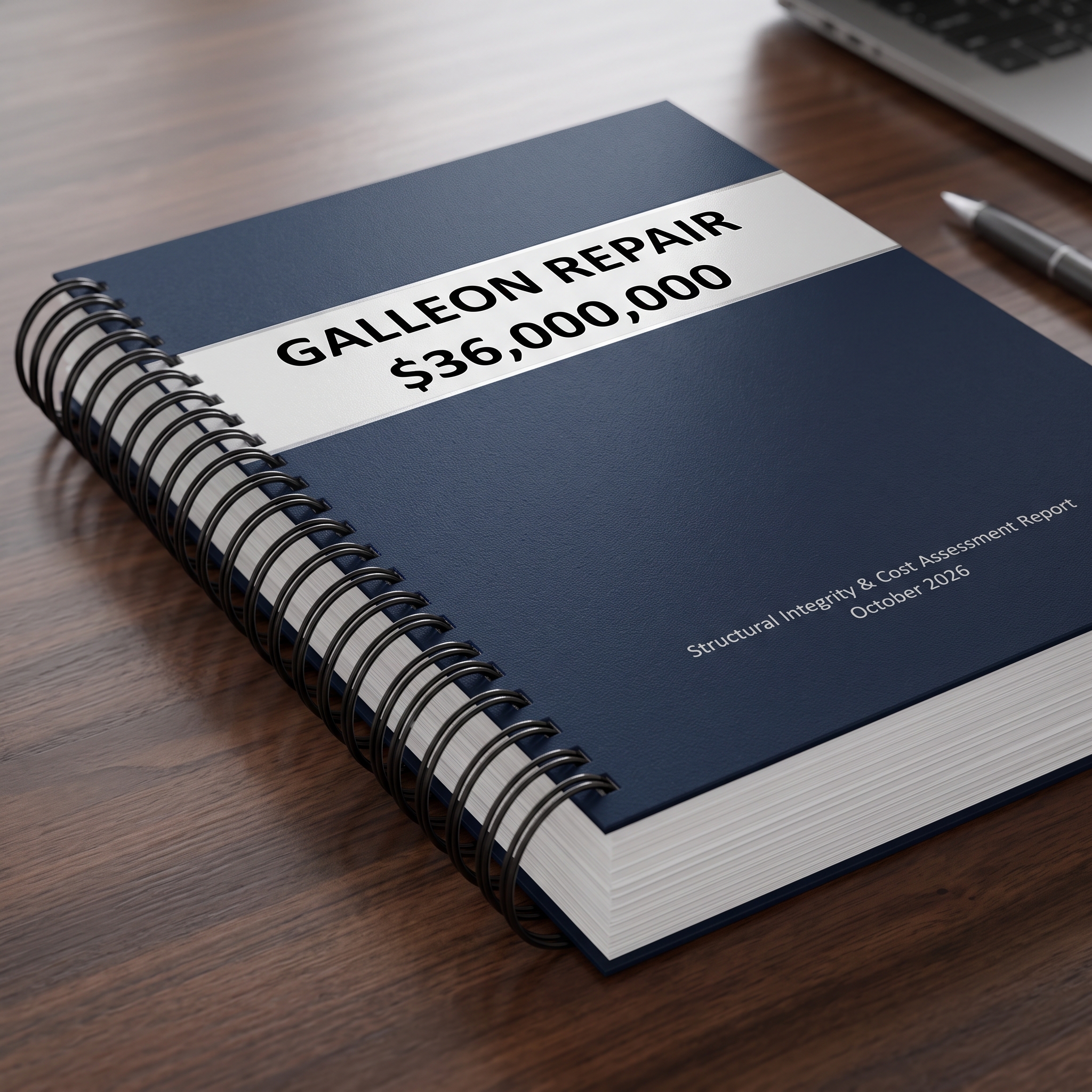
That six-figure sum is not the purchase price of a sun-drenched coastal retreat. It is the repair bill dropped squarely on the kitchen table of retirees living in a Fort Lauderdale condominium complex named The Galleon.
What started as a routine concrete restoration project initially budgeted at $1.6 million spiraled into a staggering $36 million nightmare. Residents weathered five years of scaffolding, jackhammers, and stripped-down amenities. When the dust finally settled, unit owners faced special assessments between $135,000 and more than $320,000, depending on unit size. When homeowners demanded answers, the condo board president dismissed their concerns, stepped down, and promptly sold his unit.
While The Galleon provides an alarming case study, this issue extends far beyond coastal Florida. It signals a seismic collision between demographic realities and deferred building maintenance that will impact nearly 14 million homeowners across the country over the next decade. If you are planning to sell your long-time family home and relocate to a lower-maintenance property in the Sun Belt, the playbook you have relied on for thirty years has fundamentally changed.
The 14-Million Home Inventory Surge
A demographic analysis from Realtor.com highlights a massive turning point beginning right now in 2026. The oldest Baby Boomers are turning 80, joining the Silent Generation past an age milestone where historical Census data shows private homeownership declines sharply.
Between 2026 and 2036, an estimated 13.9 million homes will be relinquished by older households. That represents a 74% increase in turnover compared to the prior decade. The challenge lies in the exact composition of these properties:
Starter homes (0 to 2 bedrooms): Only 380,000 properties nationwide, or roughly 38,000 per year.
Mid-to-large family residences (3 to 4 bedrooms): Approximately 9.9 million homes.
Large estates (5 or more bedrooms): Approximately 3.6 million homes.
Over 97% of this generational housing turnover consists of three to five-plus bedroom suburban properties. If you own a classic four-bedroom suburban house in the Midwest, Mid-Atlantic, or Northeast, your window of peak pricing leverage is shifting. Household formation rates among younger buyers under 35 have moderated. Waiting three to five years to list means you will not just be competing against a neighbor down the street; you will be entering an open market alongside millions of near-identical floor plans hitting regional MLS feeds simultaneously.
The Downsizing Bottleneck
The immediate reaction for many prospective retirees is straightforward: sell the large home now, cash out the equity, and downsize into a smaller, single-story patio home or manageable starter property. In practice, that transition faces severe supply constraints.
Realtor.com data indicates that existing owners of entry-level starter homes have an exceptionally high 70.7% retention rate. Over 72% of starter-home owners in their seventies own their properties free and clear. Without a mortgage and with modest real estate tax burdens, few have any compelling financial reason to move. As a result, the national inventory of single-story, accessible entry homes remains constrained.
This shortage pushes millions of relocating buyers toward the classic lock-and-leave solution: an attractive coastal condominium. A two-bedroom unit with water views listed at $375,000 often looks like an easy, low-maintenance trade. The assumption is that the monthly homeowners association fee will handle the pool, the grounds, the roof, and the exterior. Overlooking the financial realities behind that assumption is how retirement savings get depleted.
The Post-Surfside Legislation Reality
The crisis at The Galleon is not an isolated event. It is the direct consequence of decades of deferred maintenance colliding with rigorous state oversight. In the aftermath of the Champlain Towers South collapse in Surfside, Florida established strict statutory reforms under Senate Bill 4-D and subsequent legislative updates. Buildings three stories or taller that have reached 25 to 30 years of age are now subject to mandatory Phase 1 Milestone Structural Inspections, alongside a mandatory Structural Integrity Reserve Study (SIRS).
For generations, many condo boards kept dues artificially low by voting year after year to waive reserve funding. Necessary concrete restoration, roof repairs, and seawall maintenance were repeatedly postponed to keep monthly statements looking attractive to incoming buyers. Current law eliminates that loophole. Condo associations can no longer waive reserves for core structural components. The unpaid maintenance bills from the last three decades are now being billed directly to the current titleholder.
Consider how quickly this impacts a typical relocation budget:
You sell your primary residence, walking away with $500,000 in net proceeds.
You purchase a low-maintenance condo outright for $400,000, reserving $100,000 in liquid capital for living expenses and emergencies.
Two years later, a mandatory milestone engineering inspection uncovers severe slab decay, waterproofing failure, or parking deck compromise. The board levies an unexpected $100,000 special assessment on your unit.
Concurrently, regular monthly association dues jump from $600 to $1,400 to build statutory reserve accounts and absorb skyrocketing commercial property insurance rates.
Your entire liquid cushion evaporates overnight. Worse, selling the unit becomes exceptionally difficult, as qualified buyers will not assume properties burdened by six-figure assessments and contested reserves.
4 Rules to Protect Your Equity Before You Buy or Sell
Relocating and rightsizing your living situation remains an excellent life transition, provided you analyze the balance sheets before falling in love with a scenic view. Here are four rules to protect your hard-earned capital before signing a listing agreement or a purchase contract:
1. Re-Evaluate Your Selling Window
Do not assume that a four- or five-bedroom suburban colonial will enjoy endless price appreciation while demographics shift beneath it. Review the inventory of larger homes in your immediate market. If your retirement plan calls for a move within the next two to four years, recognize that your pricing leverage is likely stronger today than it will be when the full volume of older family properties enters the market later this decade.
2. Demand the SIRS and Milestone Inspection Reports First
When evaluating any condominium or attached multi-family residence, look past the renovated kitchens and community pools. Require the Structural Integrity Reserve Study and Phase 1 Milestone inspection reports before making an offer. If an association cannot produce them, or if structural reserve accounts show severe deficits, walk away.
3. Review 36 Months of Association Meeting Minutes
Critical structural problems and escalating project estimates appear in board discussions long before they appear on formal disclosure paperwork. Look closely for mentions of contractor change orders, recurring engineering reviews, concrete degradation, structural engineering disputes, or master insurance policy non-renewals.
4. Broaden Your Search Beyond Aging Towers
A successful relocation does not require purchasing a unit in an aging coastal high-rise. Broaden your scope to newer single-story detached homes, carefully planned communities constructed within the past decade that feature transparent association budgets, or locations situated outside high-risk coastal exposure areas. Finally, consider leasing for your first twelve months in a new market. Renting provides the breathing room to test neighborhoods, analyze regional costs, and observe local developments firsthand without risking your capital on unexpected building assessments.
Navigating today's market requires hard data, patience, and absolute protection of your equity. If you are preparing for your upcoming transition and want to ensure you are analyzing the right markets, running accurate numbers, and protecting your capital, reach out to schedule a personal 1-on-1 strategy consultation.
Keith Lucas
Retirement Relocation Strategist™
Retirement Life USA
